
For individuals living with limited mobility, a standard bathroom can present significant daily safety challenges. Finding professional disabled wet room installers near me is often the first step toward reclaiming independence, comfort, and peace of mind.
When planning a disabled bathroom installation, understanding the breakdown of financial investment, material options, and structural adjustments required is essential. This comprehensive 2026 guide explores what professional disabled wetroom installers include in their services, structural safety considerations, and real-world budgeting benchmarks.
What is a Disabled Wet Room?
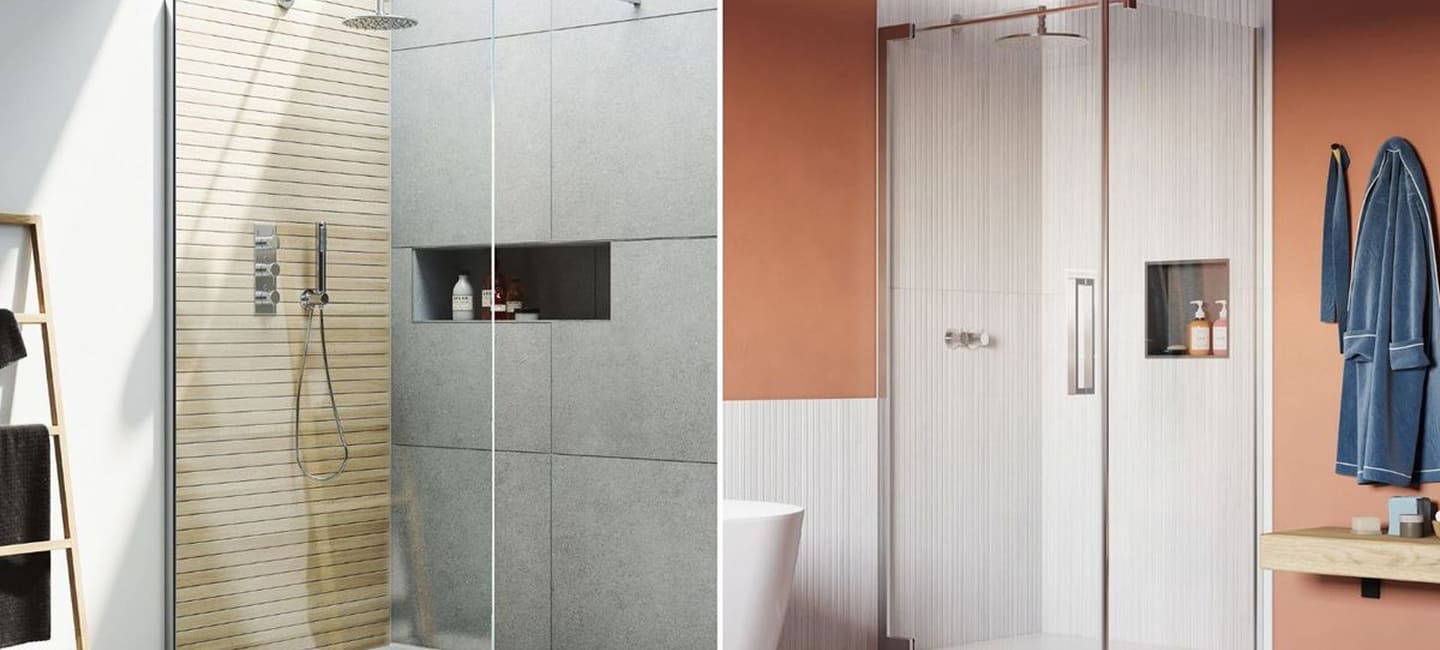
Unlike a standard bathroom or even a conventional walk-in shower, a true wet room is a completely open-plan room where the floor itself is angled toward a drainage point, making the entire space waterproof.
For elderly individuals or those living with physical disabilities, an accessible wet room features a completely flat, level-access floor. This design allows a person walking, using a walking frame, or operating a wheelchair to transition effortlessly into the shower zone without crossing structural lips, steps, or raised borders.
Key Cost Factors in 2026
No two mobility wet rooms are identical, meaning installation costs vary based on individual physical requirements and the existing layout of your property.
Structural Floor Alterations
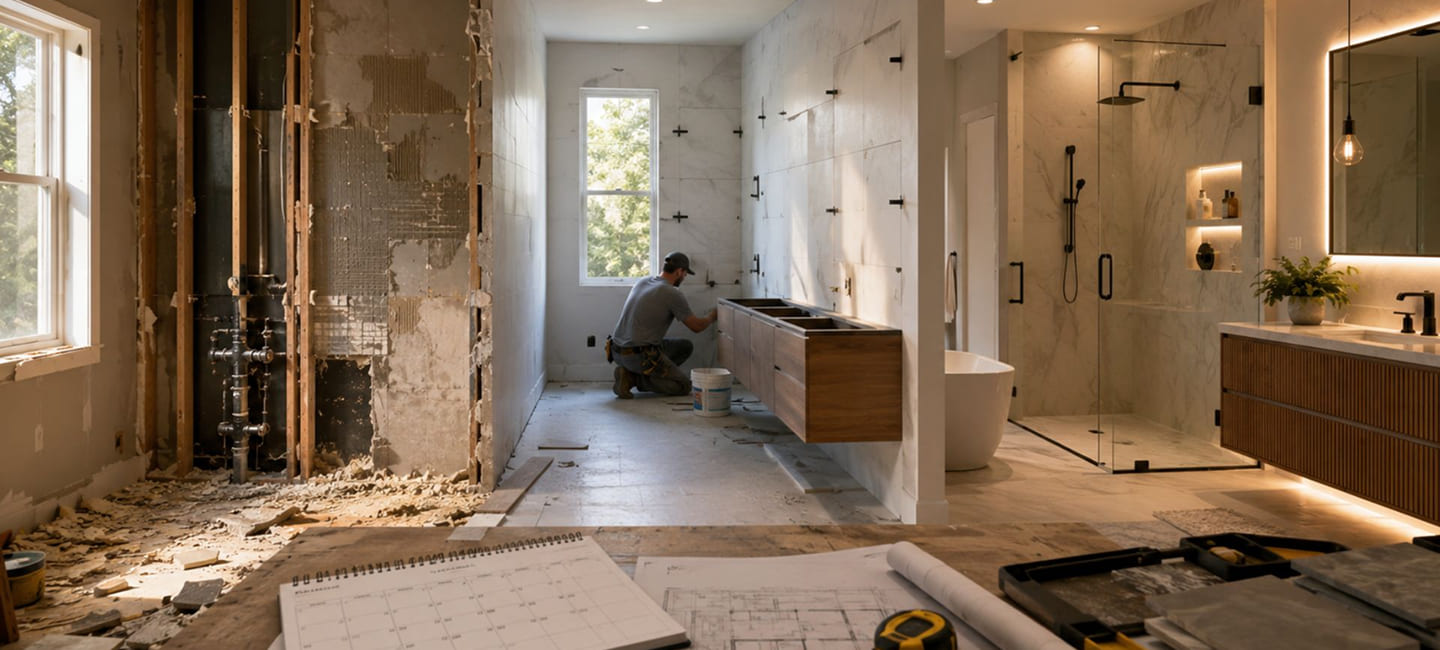
Creating a level-access layout requires altering the floor structure. On wooden timber floors, installers must cut away floorboards and insert a specialized sloping shower tray (called a former) flush with the joists.
Tanking and Waterproofing
To prevent structural rot and mold, the entire room must undergo a strict process called “tanking.” This involves sealing the walls and floor with thick, waterproof membranes. Skipping or cutting corners on tanking can lead to severe structural damp issues later on.
Specialized Sanitaryware and Fixtures<
Standard basins, toilets, and valves are rarely suitable for an adaptive disabled bathroom installation. Wall-hung washbasins that allow wheelchair users to slide their knees underneath, raised-height toilets, and thermostatic safety valves add to the overall material expenses.
Choice of Finishes
The surface finishes you choose impact both safety and price. High-grade anti-slip porcelain tiles or commercial-grade slip-resistant vinyl flooring are required to maintain traction when wet.
What Do Professional Disabled Wetroom Installers Include?
Companies like Oasis Bathroom Solutions utilize structured workflows to minimize household disruption while keeping compliance front and center.
A professional installation package typically includes:
Initial Survey and Layout Planning
- Comprehensive spatial measurement to ensure turn-circles for wheelchairs meet regulatory guidelines.
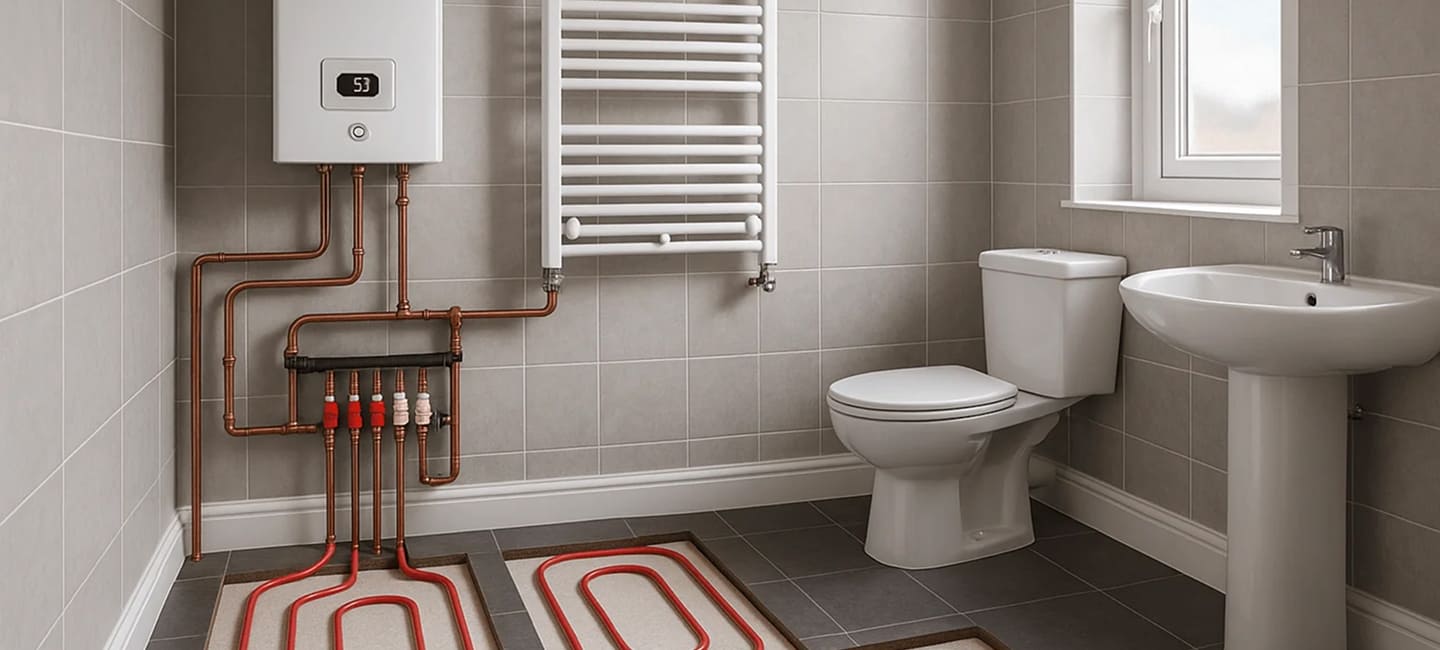
- Evaluation of the existing plumbing system to verify water pressure and drainage viability.
Demolition and Safe Disposal
- Complete removal of existing baths, toilets, basins, and tiles.
- Responsible disposal of old materials via certified environmental waste channels.
Advanced Plumbing and Electrical Integration
- Recessed drainage installation to keep floor areas completely flat.
- Integration of thermostatic mixer showers or digital control panels to eliminate scalding risks.
- Installation of extractor fans to rapidly clear humidity and keep floor surfaces dry.
Surface Finishes and Custom Tiling
- Floor-to-ceiling tiling or specialized wall panelling designed for easy cleaning.
- Laser-precise cuts and application of flexible, anti-mold grouts.
Finishing Touches and Safety Handover
- Micro-level silicone work to ensure structural flexibility and prevent leaks.
- Full system pressure checks and rigorous drainage performance testing.
Crucial Accessibility Features and Their Benefits
When requesting a quote from disabled wet room installers near me, ensure your project incorporates the essential features designed for long-term safety and independent use.
- Slip-Resistant Flooring: According to safety data from the UK Health and Safety Executive (HSE), slips and trips account for over 40% of all reported major injuries in public and domestic settings. Installing high-grip flooring rated R11 or higher significantly reduces fall risks when surfaces are soapy.
- Reinforced Grab Rails: These must be securely anchored into reinforced wall studs rather than thin drywall alone. Strategically placed rails assist with stability when transferring or standing.
- Ergonomic Fold-Down Seating: Wall-mounted shower chairs provide a stable resting option for users with limited stamina, swinging safely out of the way when other family members use the space.
Financial Assistance and Grants in the UK
A professional accessible bathroom installation can represent a significant upfront investment. However, financial relief options exist depending on your location and circumstances:
- Disabled Facilities Grant (DFG): If you live in England, Wales, or Northern Ireland, you may qualify for a council-funded Disabled Facilities Grant. According to official UK Government data, these grants can provide up to £30,000 in England (up to £36,000 in Wales) to cover structural home modifications required for independent living.
- VAT Relief for Disabled Individuals: Under UK VAT notice 701/7, you may be eligible for a 0% VAT rate on both the equipment and the installation services if the wet room is designed specifically for a person living with a chronic illness or physical disability.
Choosing the Right Local Specialists
An adaptive wet room requires precise structural engineering, advanced waterproofing, and specialized plumbing layout knowledge. Working with unqualified contractors increases the risk of water leaks, structural damage, and unsafe grab-rail placements.
When sourcing local specialists, seek out teams with proven certifications, visible customer reviews, and clear insurance backed guarantees. Companies like Oasis Bathroom Solutions combine multi-trade expertise with structured project timelines, ensuring that your home transformation is safe, durable, and highly functional.
Conclusion
Investing in a custom wet room restores dignity, reduces dependence on care providers, and creates a safe haven for everyday routines. By understanding installation costs, structural requirements, and grant opportunities, you can plan an accessible transformation that supports safe, comfortable, independent living for years to come.