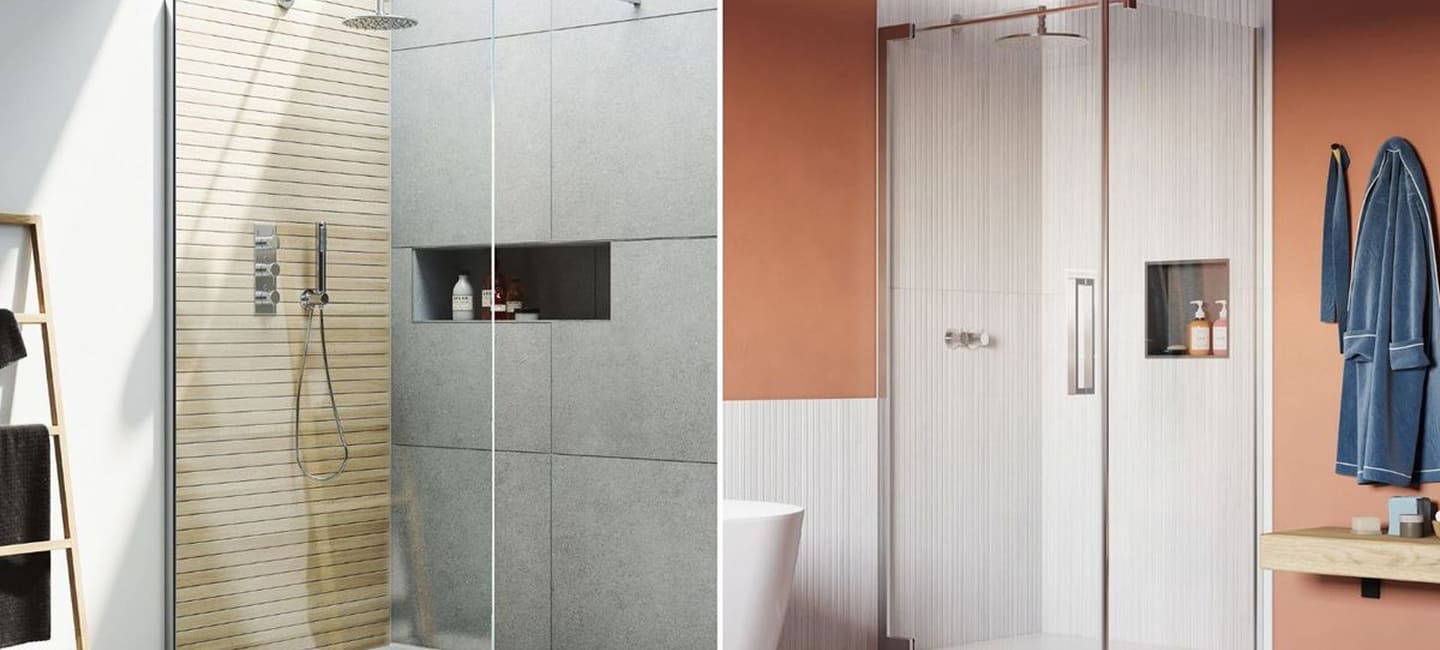

When embarking on a home renovation, selecting the right material for your floor is one of the most critical decisions you will make. The ideal surface must offer an aesthetic balance between personal style, structural durability, and water resistance. For decades, traditional bathroom tile installation has remained the benchmark for premium properties, but rapid material advancements in sheet vinyl and Luxury Vinyl Tiles (LVT) have made vinyl a popular budget alternative.
According to market data published by the National Kitchen & Bath Association (NKBA), porcelain and ceramic tiles continue to dominate the premium renovation sector, holding a 55% market share for master en-suites due to their unmatched durability and value retention.
Choosing between these two popular options requires evaluating installation complexities, household needs, and long-term costs. This comprehensive guide breaks down how both surfaces perform in modern homes moving into 2026.
Durability and Longevity Under Daily Use
A bathroom floor faces constant exposure to high humidity, standing water, heavy foot traffic, and aggressive cleaning chemicals. The chemical composition of your flooring material directly dictates how well it handles these daily pressures over time.
The Unmatched Lifespan of Hard Tiles
When choosing porcelain, stone, or ceramic materials, your floor becomes a permanent structural fixture. Properly installed tiles are scratch-resistant, impervious to heavy dents from dropped objects, and completely unaffected by coastal dampness or humidity.
The Performance Limitations of Vinyl
Modern luxury vinyl flooring features protective polyurethane wear layers that repel surface water effectively. However, vinyl remains a softer, more flexible synthetic plastic:
- Scratch Hazards: Sharp objects or tracked-in grit can score or scratch the surface permanently.
- Adhesive Degradation: Over time, standing water can seep into edge seams, breaking down the underlying adhesive glue and causing the material to curl or lift.
- Shorter Lifespan: Even high-end vinyl options typically require a full replacement after 10 to 15 years as the wear layer thins and fades.
Comparing Material and Installation Costs
Budgeting for a flooring project requires analyzing both the upfront material costs and the labor required for a secure, flawless installation.
Labor Complexities in Tiling
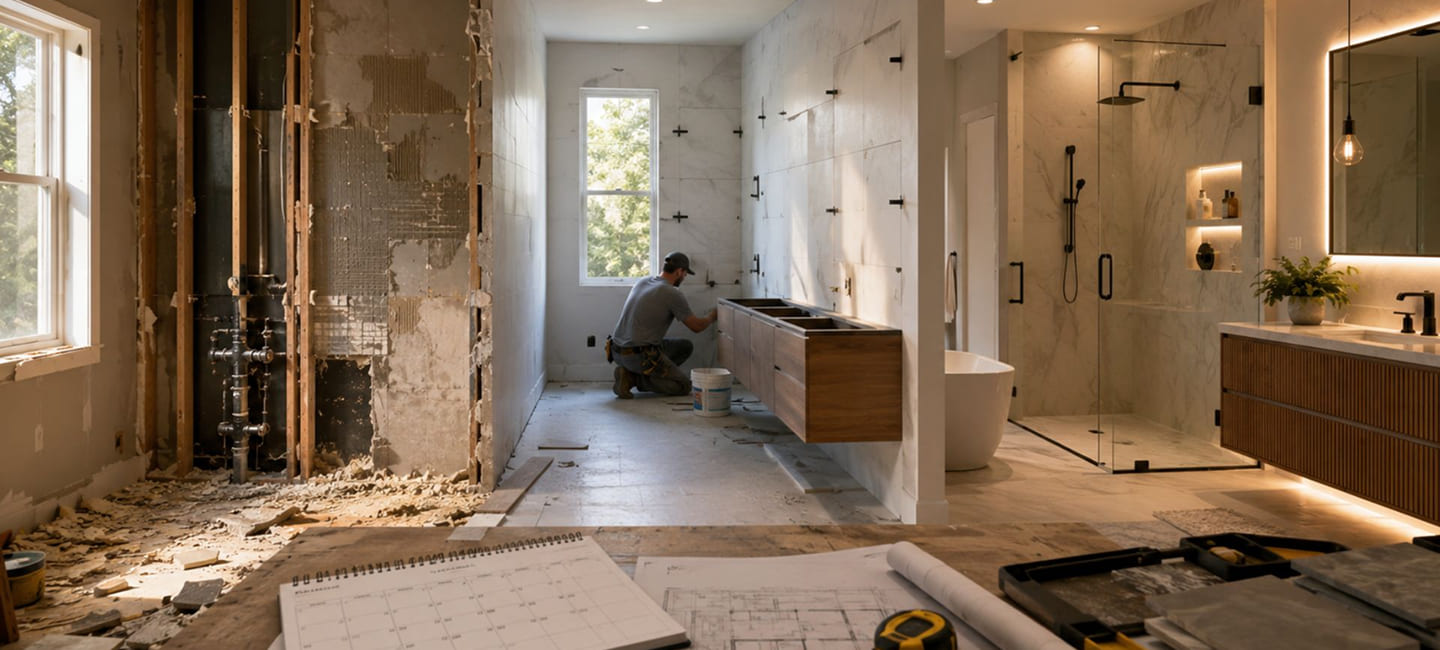
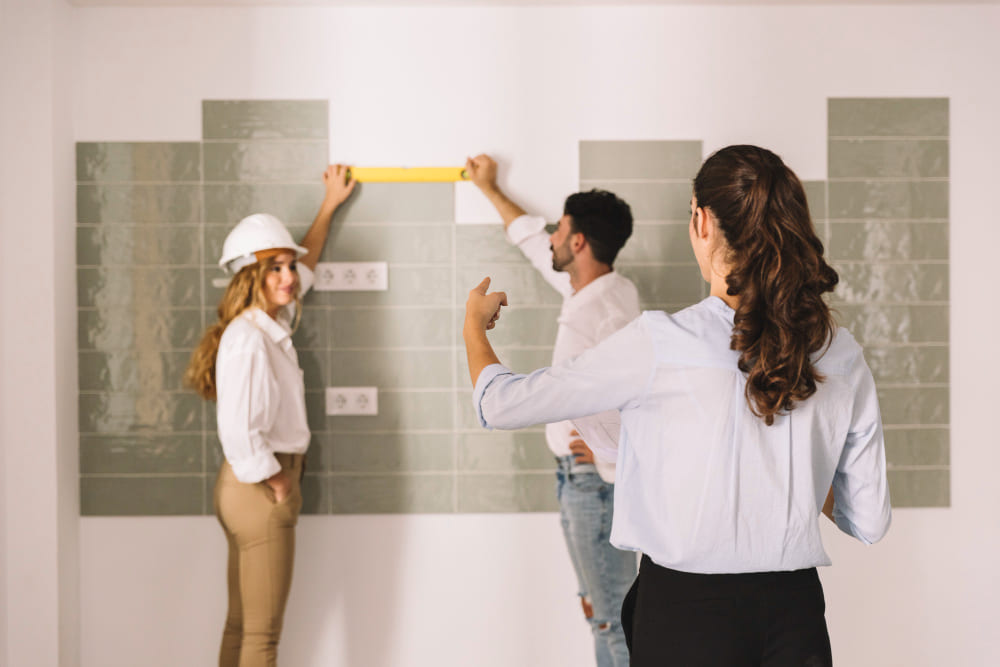
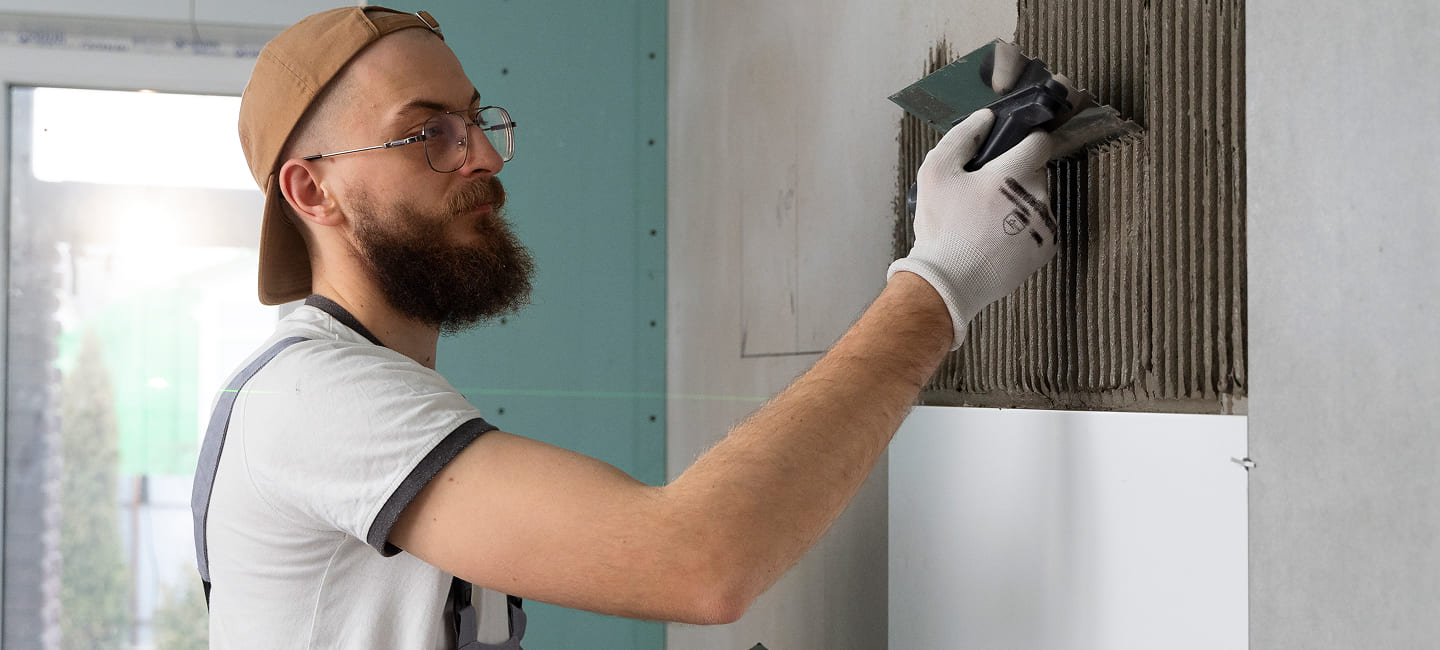
Tiling requires a patient, multi-step process that demands professional accuracy. The installer must verify the subfloor is structurally stiff, lay down anti-fracture decoupling mats, use laser lines for precise cuts, and mix flexible, waterproof grouts.
Financial Advantages of Vinyl Setup
Vinyl materials are inherently simpler to cut and shape around bathroom fixtures like toilets and basins. Sheet vinyl can often be laid down in a single piece, keeping labor timelines short. While vinyl offers an attractive, budget-friendly upfront option, its shorter lifespan means you will face repeat material and labor costs much sooner than you would with a tiled alternative.
Thermal Comfort and Compatibility with Underfloor Heating
The sensation of walking barefoot across your bathroom floor on a freezing winter morning is a major factor in overall comfort. How your floor handles and moves heat plays a key role in creating a cozy environment.
The Superior Thermal Conduction of Stone and Ceramic
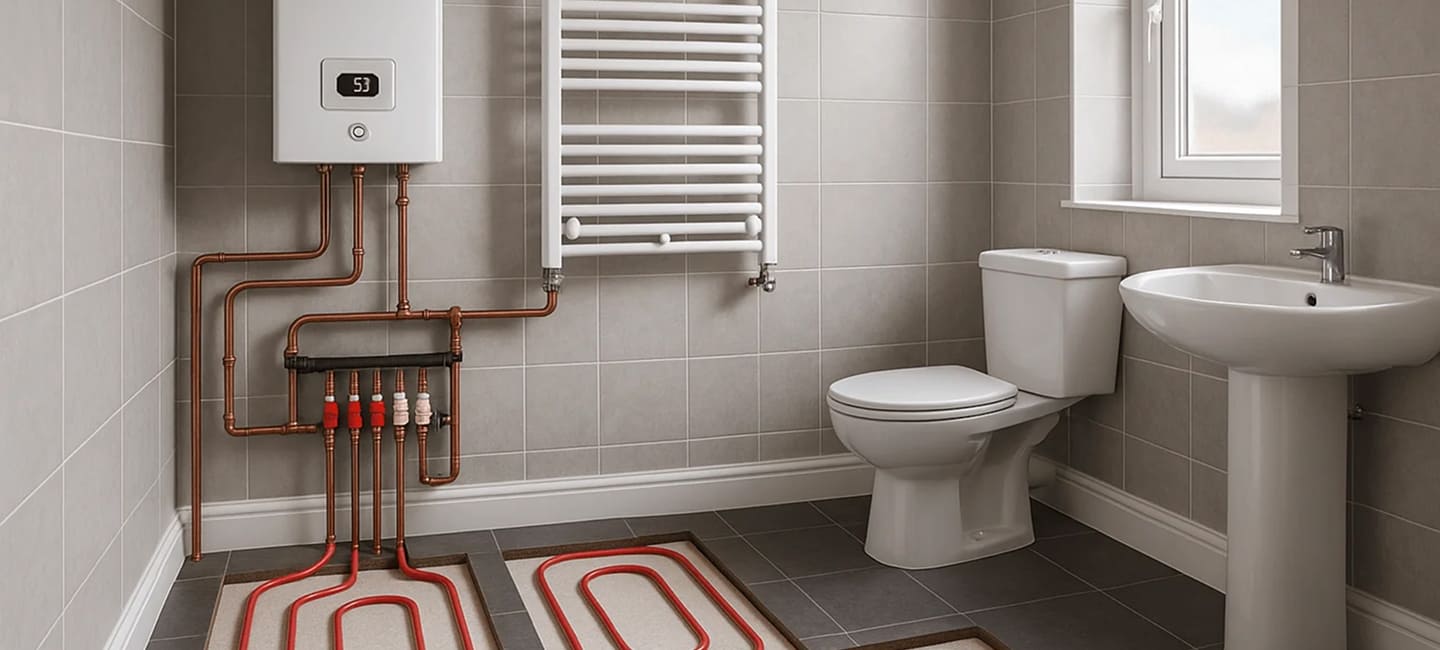
Because porcelain and stone are dense, natural minerals, they act as excellent conductors of heat. When paired with modern electric underfloor heating systems, tiles absorb thermal energy quickly and radiate it evenly across the entire room.
The Thermal Limits of Soft Plastics
Vinyl feels naturally warmer than unheated tile because it doesn’t draw heat away from bare skin as quickly. However, plastic functions as a thermal insulator rather than a conductor.
Aesthetic Value, Property ROI, and Expert Handover
Your choice of flooring influences the final look of your room and has a direct impact on the overall market value of your property.
Professional Presentation and Precision Sealing
Opting for professional bathroom floor tile installation near me creates an upscale, luxurious finish that vinyl simply cannot replicate. Certified professional tiling services can execute complex layouts, including herringbone, brick-bond, or mosaic patterns with perfectly flush grout lines and crisp, long-lasting silicone perimeter seals.
Partnering with an experienced local specialist like Oasis Bathroom Solutions provides total peace of mind for homeowners across Hampshire. Backed by over 15 years of regional experience, their team manages everything from subfloor leveling to precision stone cutting.
Maximizing Your Home’s Resale Value
Property surveyors and buyers view custom tile installations as a premium, permanent upgrade to a home. A beautiful, professionally tiled bathroom serves as a strong selling point that directly boosts your property’s resale value, whereas vinyl is often viewed as a temporary aesthetic fix that next owners may want to replace.
Summary Purchase Decision Checklist
To determine which material fits your upcoming project best, use this quick checklist:
- Choose porcelain or stone tiles if you are renovating a primary master bathroom intended to last for decades.
- Select premium vinyl if you are performing a quick, budget-conscious refresh on a secondary utility space.
- Hire accredited bathroom tiling contractors to avoid water leaks, cracked grout lines, or loose panels.
- Verify your subfloor is fully strengthened and free of movement before laying down any hard tile products.
- Insist on a written workmanship guarantee from your chosen installer to protect your home investment.
Keep your bathroom tile installation—book a professional service with Oasis Bathroom Solutions today.
📞 Call: 02394 009745
🌐 Visit: https://oasisbs.co.uk/