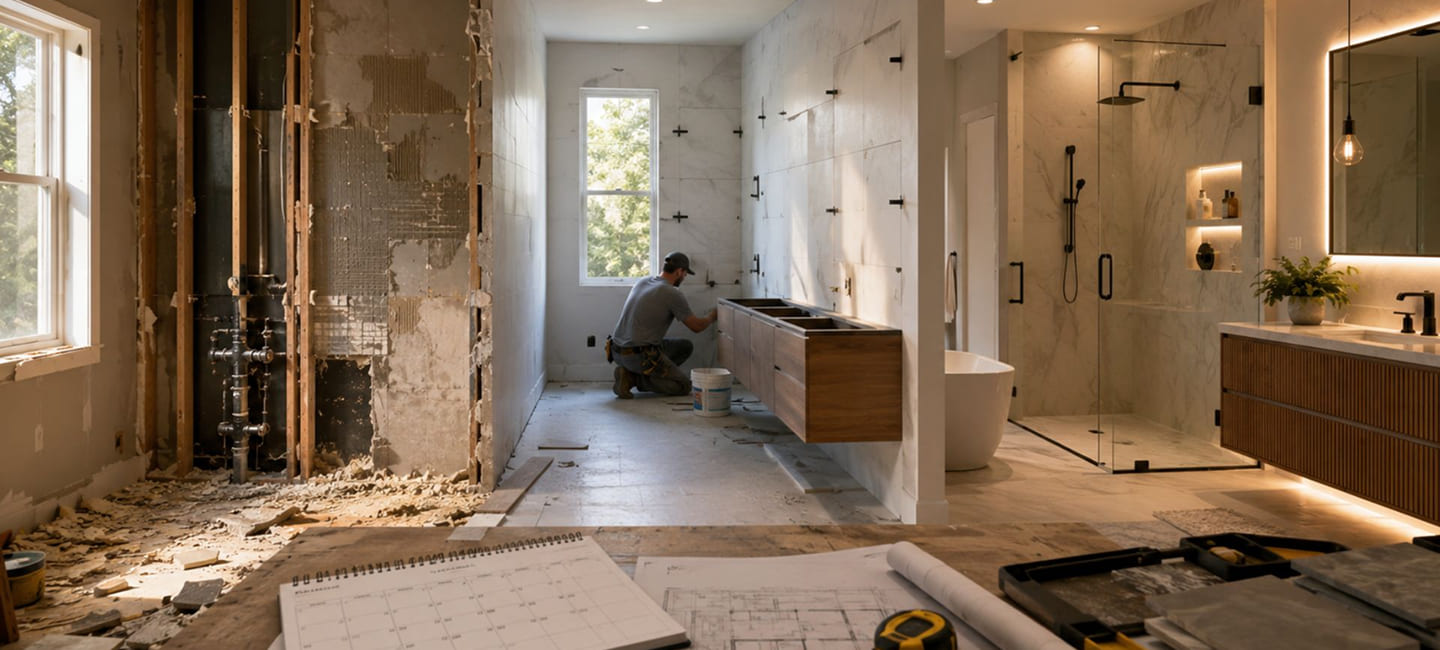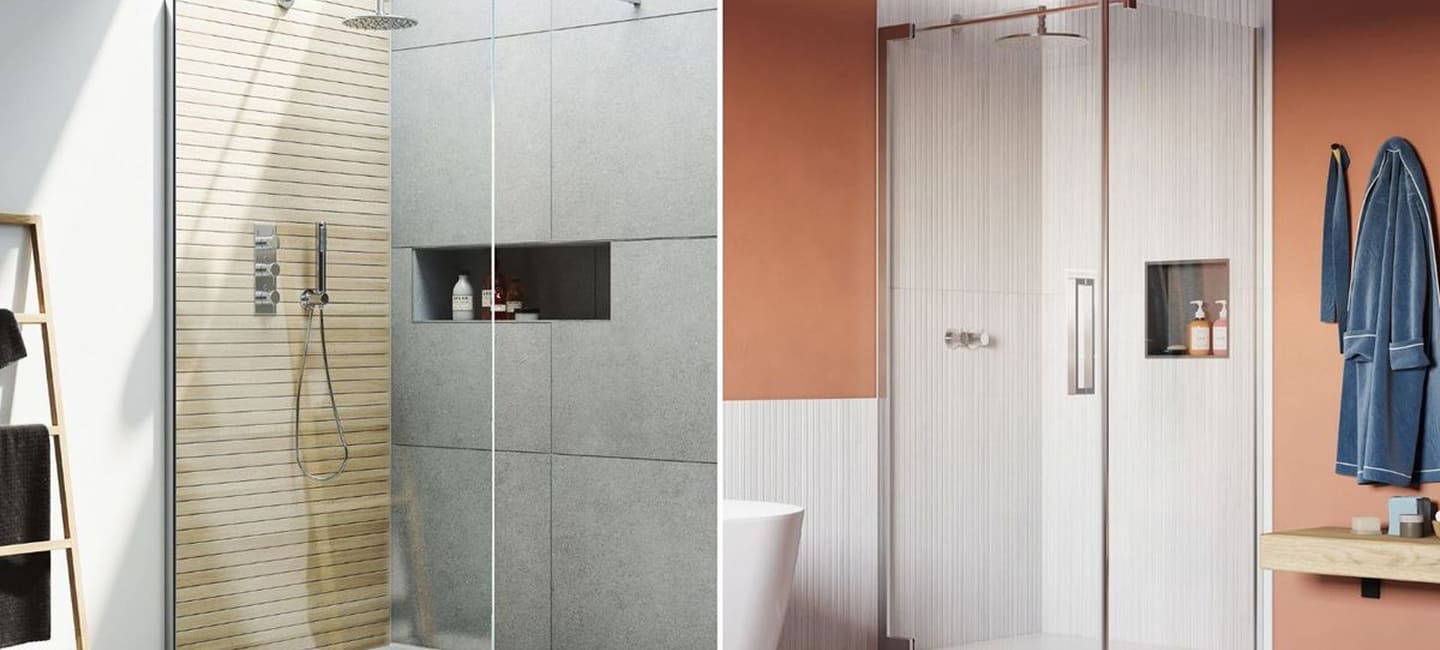

A straightforward bathroom replacement may take around one to two working weeks, while a more complex renovation can take longer. The true programme depends on structural repairs, plumbing changes, waterproofing, tile format, bespoke products and how quickly hidden problems are resolved.
Understanding the sequence helps homeowners plan alternative washing facilities, deliveries and access. It also explains why a good installer may leave materials to cure even when the room looks ready for the next stage.
Oasis Bathroom Solutions delivers complete bathroom renovations across Fareham, Gosport, Portsmouth, Southampton and surrounding Hampshire areas.
Stage 1: Survey and Design
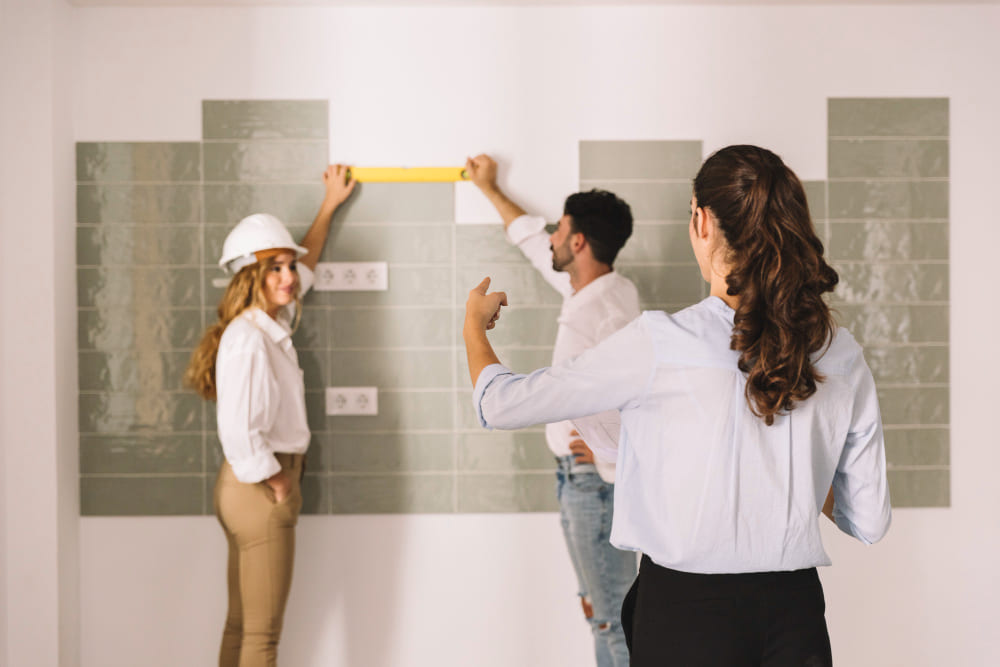
The survey records dimensions, services, ventilation, access and the condition of visible surfaces. The design then coordinates the layout, fittings, tiles, lighting and storage. Decisions made here affect every later stage, so rushing into demolition before products and details are confirmed can create delays.
Stage 2: Ordering and Scheduling
Sanitaryware, brassware, tiles, furniture and specialist screens can have different lead times. Check items on delivery and avoid starting until critical products are available or firm dates are known. A single missing concealed valve or shower tray can stop several trades from progressing.
Stage 3: Removal and Investigation
The existing suite, tiles and finishes are removed carefully, exposing pipework, floor and wall conditions. This is when leaks, weak floors or unsuitable previous work may become visible. The installer should explain discoveries and agree any change in scope before covering the area again.
Stage 4: First-Fix Plumbing and Electrics
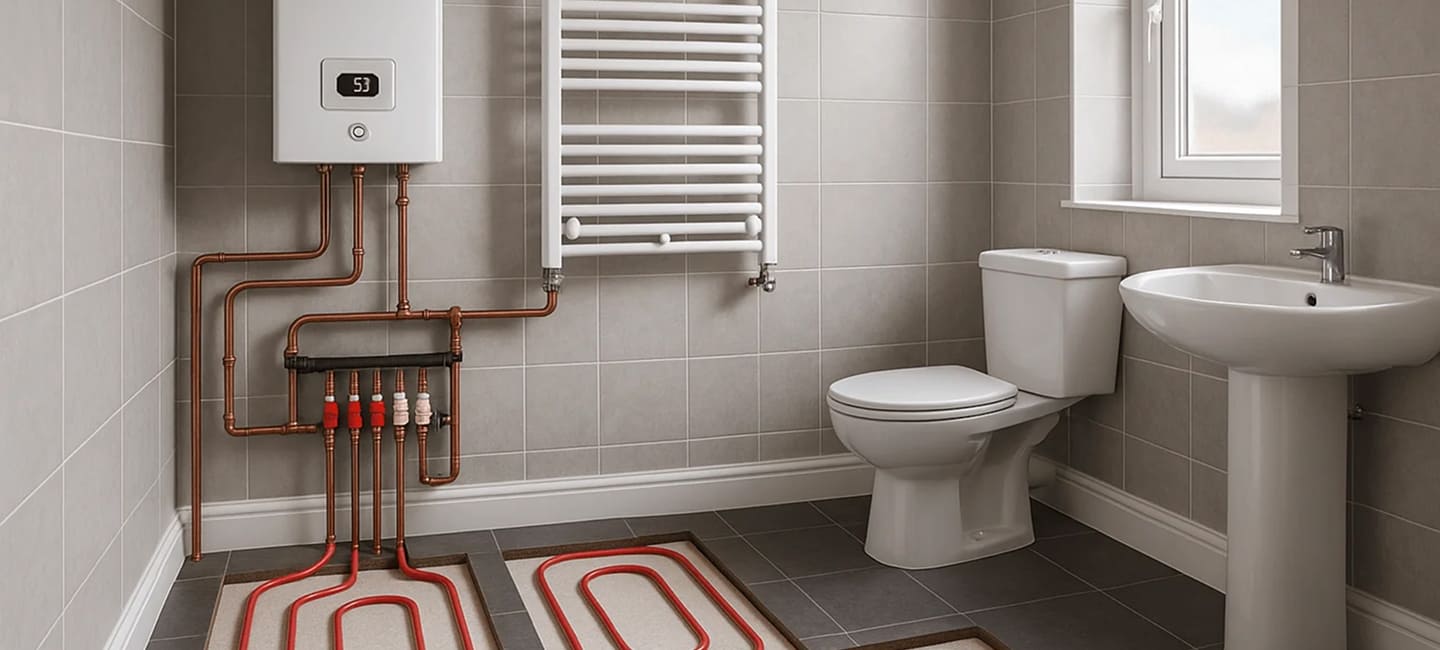
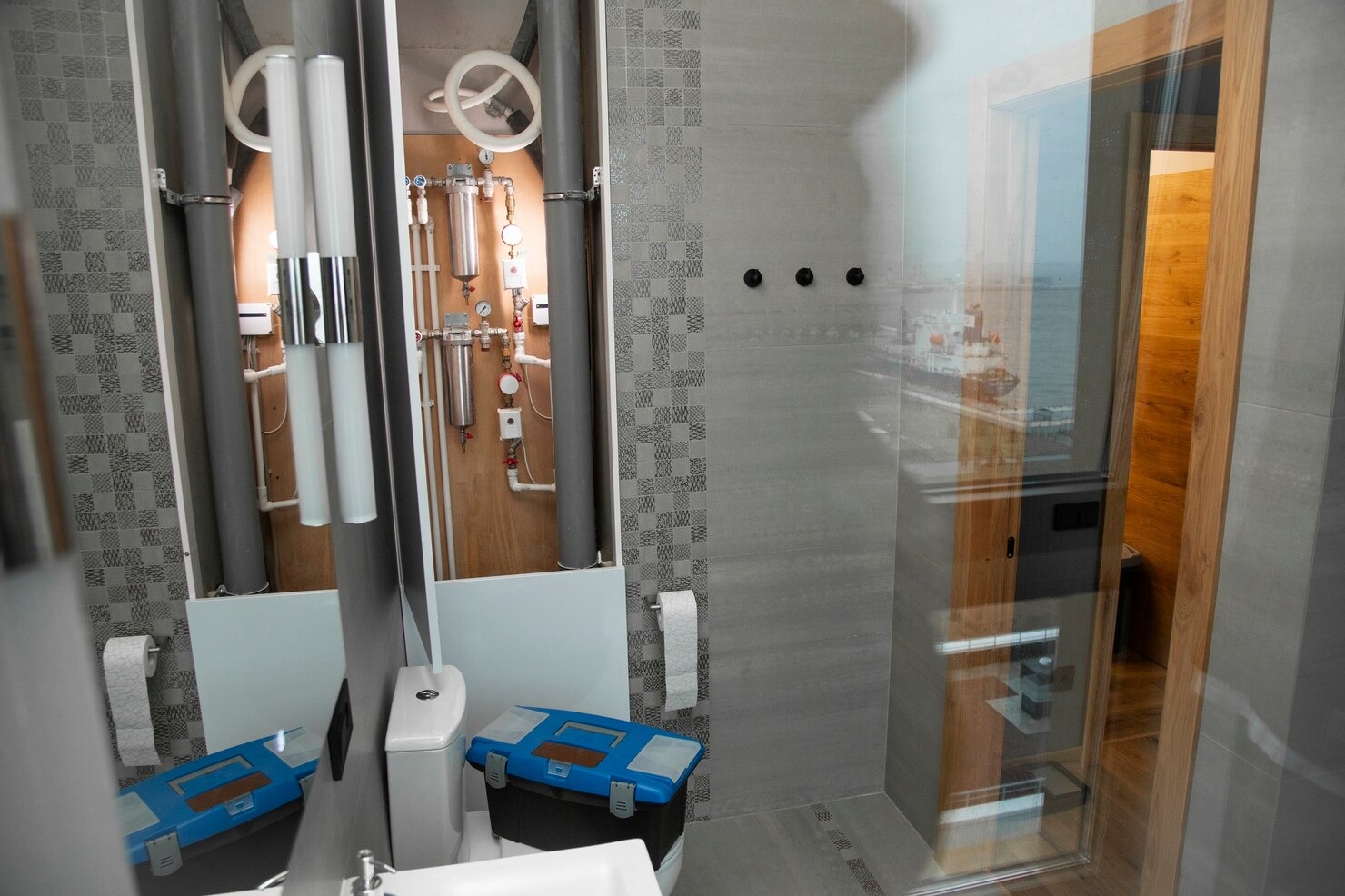
Pipes, wastes, cables, ventilation and concealed components are positioned before surfaces are closed. Precise setting out is essential because finished fittings rely on these locations. Electrical work in bathrooms requires appropriate competence and compliance, particularly around wet zones and protective devices.
Stage 5: Preparation and Waterproofing
Walls and floors may need repair, boarding, levelling or strengthening. Wet areas are then prepared with a suitable waterproofing system where required. Drying and curing times are part of the installation, not optional waiting. Moving ahead too soon can undermine adhesion and long-term water resistance.
Stage 6: Tiling and Finishes
Tile size, pattern, niches and feature details influence duration. Large tiles are not always faster because flat substrates and careful cutting are essential. Adhesive and grout need suitable time before fittings, sealants or heavy use. Painting and decorative finishes are sequenced to protect completed work.
Stage 7: Second Fix and Commissioning
The bath, toilet, basin, shower controls, screens, furniture, lighting and accessories are installed and tested. Water flow, drainage, leaks, ventilation and electrical operation should be checked. The customer should also receive guidance on sealant care, cleaning and any product warranties.
What Commonly Extends the Programme?
Hidden water damage, structural movement, difficult access, late design changes and delayed products are common causes. Moving soil pipes or creating a level-access shower can add work. A realistic programme includes technical preparation and curing rather than promising an unrealistically short cosmetic turnaround.
What to Prepare Before Requesting a Quotation
A useful quotation begins with accurate information. Photos and measurements can help an initial conversation, but they do not replace a survey where condition, access, compliance or hidden construction affects the recommendation. Prepare:
- the outcome you want and the problem you need to solve
- relevant photographs, drawings, manuals or previous reports
- known defects, changes and earlier repair or installation history
- access limits, operating hours and important programme dates
- questions about scope, exclusions, warranties and aftercare
Discuss Your Bathroom Renovation Timeline
Oasis Bathroom Solutions can survey the room, coordinate the main trades and provide a clearer programme once the design and products are known. Homeowners in Fareham and across Hampshire can plan around a complete installation rather than a collection of disconnected tasks.