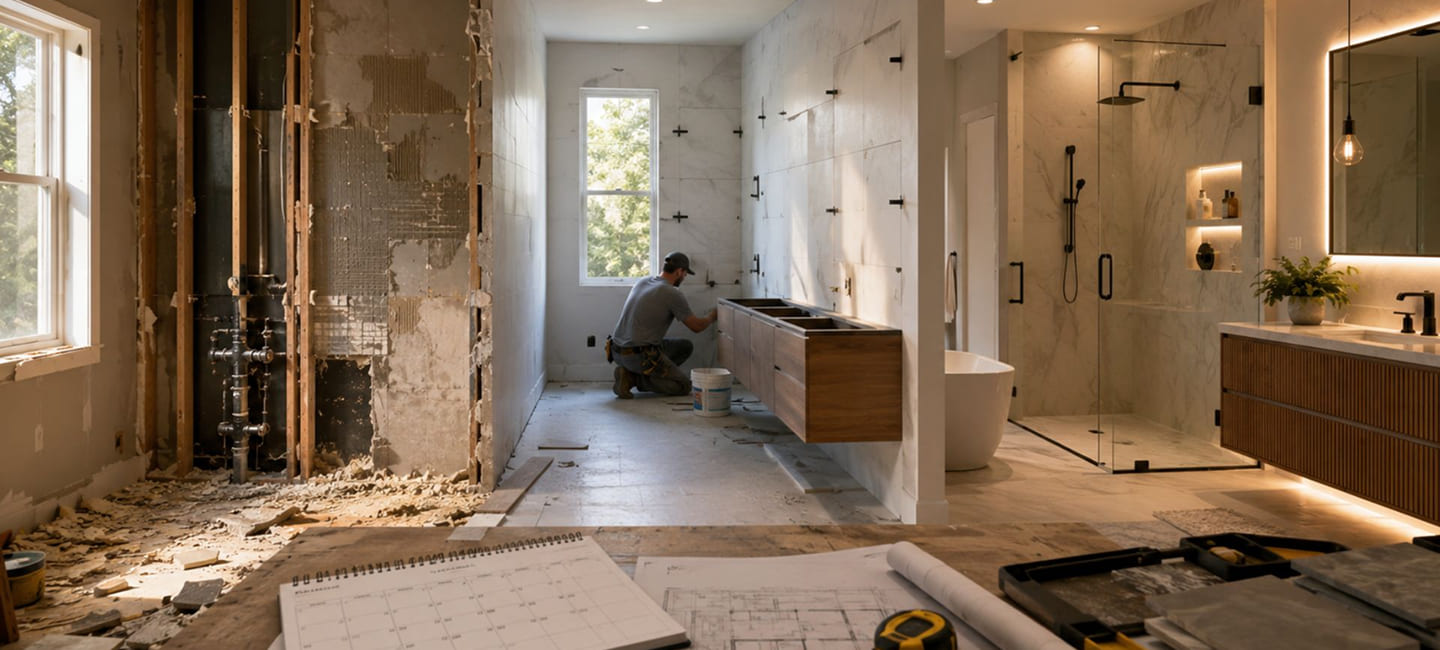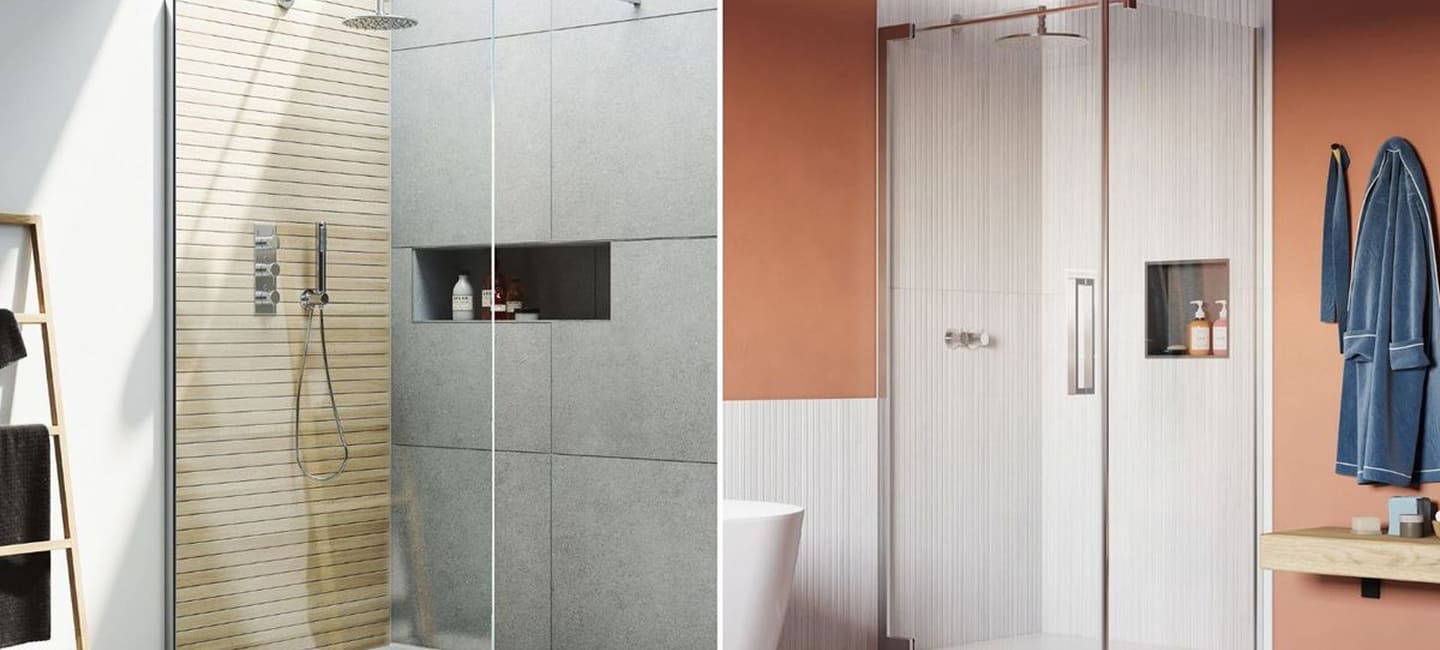

The bathroom is one of the most frequently used spaces in any British home, but it is also the most hazardous. With the continuous presence of water, steam, and soap residue, a polished and smooth floor can instantly turn into a dangerous slipping hazard. As homeowners place a higher priority on safety alongside aesthetics, selecting the correct underfoot surface has become a crucial part of home renovation. Investing in premium materials and professional fitting not only safeguards your family but also significantly elevates the long-term market value of your property.
When updating your home, choosing a professional bathroom tile installation ensures that your flooring is perfectly sealed, level, and built to withstand decades of daily wear. Specialist providers like Oasis Bathroom Solutions help you navigate these choices, ensuring your renovation delivers a flawless balance of safety, luxury, and durability.
Why Safety and Non-Slip Performance Matter in 2026
Slips and trips are the single most common cause of accidental injury inside domestic properties. According to data published by the Health and Safety Executive (HSE), wet surfaces account for over 40% of all major slip injuries in residential and commercial spaces.
The R-scale ranges from R9 to R13, based on the angle of a slope before a person slips:
- R9: Low slip resistance; only suitable for dry areas like bedrooms or lounges.
- R10: Moderate slip resistance; ideal for domestic bathroom floors that occasionally get wet.
- R11 & R12: High slip resistance; highly recommended for wet rooms, walk-in showers, and family bathrooms.
- R13: Maximum resistance; typically reserved for heavy commercial or industrial wet environments.
Understanding the Key Tile Materials for Bathroom Floors
Selecting the right material determines how well your floor stands up to moisture, how easy it is to clean, and how comfortable it feels underfoot.
1. Porcelain Tiles
Porcelain is a premium subtype of ceramic, fired at vastly higher temperatures to create an incredibly dense, non-porous block. For high-traffic spaces, textured porcelain is widely considered the gold standard for anti slip floor tiles UK suppliers recommend, as it can easily endure heavy impacts and harsh cleaning chemicals without degrading.
2. Ceramic Tiles
Ceramic is a highly versatile and budget-friendly option for domestic upgrades. While slightly more porous than porcelain before glazing, modern textured ceramic variants are engineered with textured, matte surfaces that offer great slip resistance.
3. Natural Stone (Slate, Travertine, and Limestone)
Natural stone brings an organic, high-end feel to a property. Slate possesses a natural, rugged texture that inherently provides exceptional slip resistance without needing added chemical glazes.
Top Non-Slip and Waterproof Tile Options for 2026
Modern technology allows manufacturers to print incredibly realistic patterns onto highly durable materials. This means you can achieve almost any aesthetic while prioritizing safety.
Textured Matt Porcelain
Glossy, polished surfaces act like ice when wet. Matt-finished porcelain, however, does not reflect direct light harshly and maintains a subtle, micro-textured surface that provides excellent traction for bare feet.
Wood-Effect Planks
Many homeowners love the warmth of hardwood flooring but avoid it in bathrooms because real wood warps, rots, and buckles when exposed to humidity.
Mosaic Tiles
Mosaic tiles are small pieces of tile bound together on a mesh backing. Because the tiles are small, the finished surface features a dense grid of grout lines.
R11-Rated Stoneware
Engineered specifically for wet zones, R11 stoneware features a visibly coarse surface coating. It provides high traction even when covered in a thick layer of soapy water, making it a foundational element for multi-generational homes.
The Critical Role of Waterproofing in Flooring Installation
A non-slip surface is only effective if the underlying structure of your home remains completely dry. Water that seeps through poorly fitted tiles can quietly rot floor joists, weaken floorboards, and breed toxic black mold behind your fixtures.
When looking for an expert bathroom floor tile installation near you, ensuring the team uses advanced tanking (waterproofing) methods is vital. Tanking involves applying a specialized liquid membrane and waterproof tape along the junctions where the floor meets the walls. This creates an impermeable barrier that guarantees no water can escape into the structural framework of your home.
Choosing dedicated waterproof bathroom floor tiles is only the first line of defense. The entire installation system, including the flexible adhesive and the grout, must be fully waterproof and anti-fungal to handle constant saturation. Over looking this step often results in loose tiles, cracked grout, and incredibly costly structural repairs down the line.
Step-by-Step Professional Tile Installation Process
A flawless tile finish requires precision engineering, proper chemical mixing, and a keen eye for symmetrical layout planning.
1. Subfloor Preparation and Levelling
An unlevel floor causes tiles to sit at slightly different heights, creating sharp edges called “lippage” that act as dangerous tripping hazards. Installers fix this by laying down moisture-resistant marine plywood or specialized cement backer boards over the floorboards. If the floor is uneven, they pour a self-levelling compound to create a perfectly flat surface.
2. Priming and Tanking
Once the subfloor is clean and dry, a specialized primer is applied to control suction and improve adhesive bonding. In wet rooms or high-moisture zones, the installer applies a comprehensive tanking kit across the entire floor area, sealing the corners securely to form a completely watertight tank.
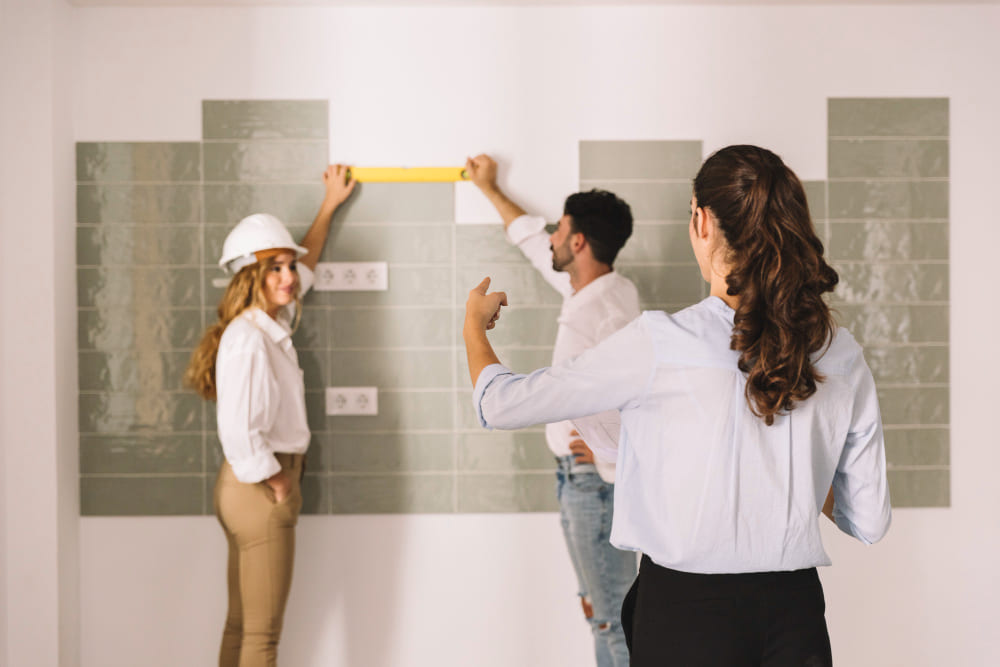
3. Symmetrical Layout Planning
Installers never just start laying tiles in a corner. They find the exact center point of the room and dry-lay a row of tiles outward toward the walls. This step ensures that the cut tiles running along the perimeter of the room are perfectly equal in size, maintaining a balanced and visually satisfying look.
Read More: Disabled Wet Room Installation In Gosport | Safe Bathroom Design Guide
4. Adhesive Application and Tiling
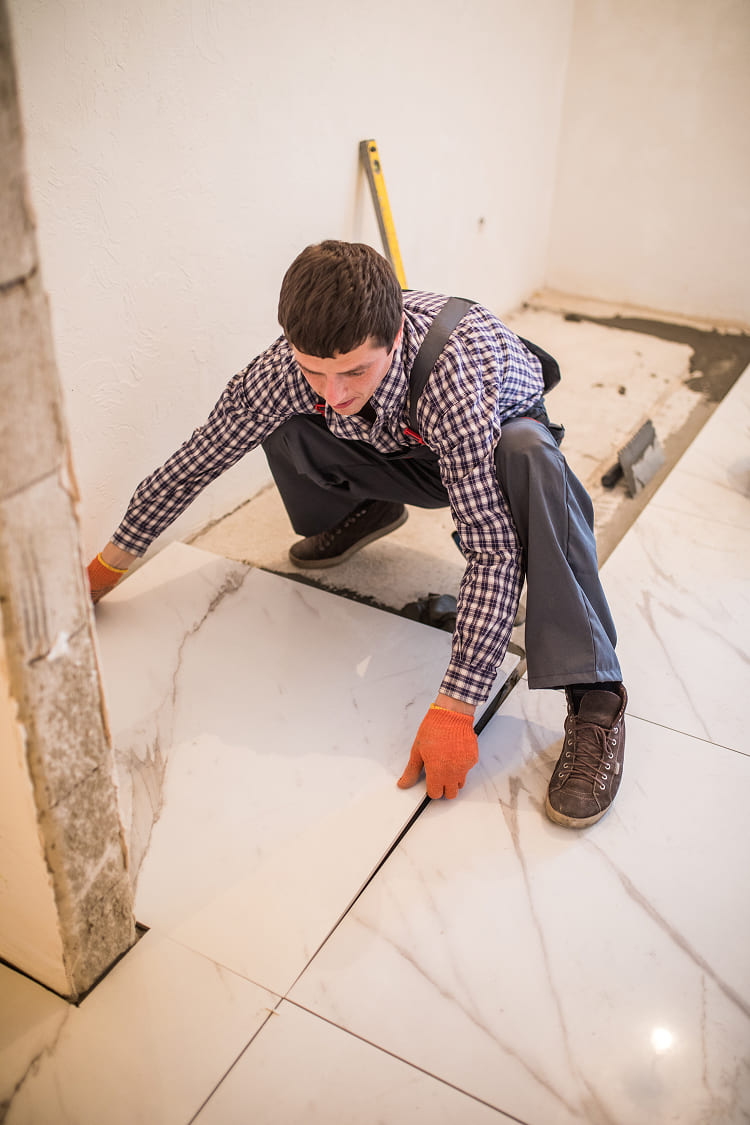
Using a notched trowel, the installer spreads a thick layer of high-performance, water-resistant flexible adhesive onto the floor. They firmly press the waterproof bathroom floor tiles into the bed, using plastic tile spacers between each piece to maintain perfectly uniform, even lines across the room.
5. Grouting and Final Clean
After the adhesive cures for 24 hours, the spacers are removed, and a highly durable, water-repellent grout is packed into the gaps. Once the grout begins to set, the installer meticulously cleans the surface with a damp sponge to remove any remaining haze, leaving behind a pristine finish.
Why Choose a Trusted Local Expert in Hampshire?
Tiling requires a high level of craftsmanship that cannot be easily replicated by DIY methods. When looking for a qualified professional, turning to a dedicated local service brings immense benefits. Local companies rely heavily on community word-of-mouth and regional reviews, meaning they are deeply invested in providing immaculate customer service and transparent, competitive pricing.
For homeowners in Portsmouth, Southampton, Fareham, and the surrounding Hampshire areas, Oasis Bathroom Solutions stands out as a premier provider. Their highly skilled, professional team brings years of specialist experience to every project.
Conclusion
Creating a beautiful bathroom shouldn’t come at the cost of your family’s safety. By choosing the right R11-rated non-slip materials, ensuring comprehensive under-tile waterproofing, and investing in a professional bathroom tile installation, you can enjoy a luxurious space that offers ultimate peace of mind.
Taking the time to research your material options and partnering with a verified local specialist like Oasis Bathroom Solutions ensures that your home renovation remains safe, functional, and stunning for decades to come.
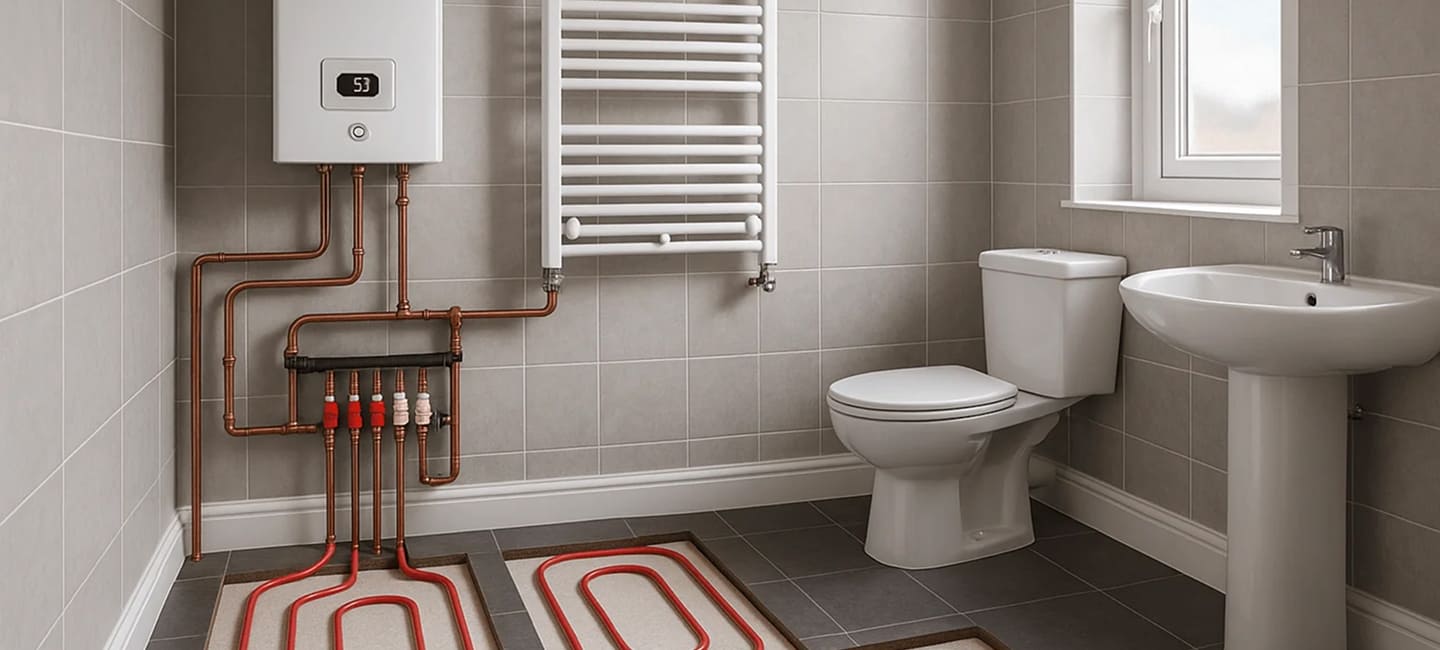
Looking for trusted bathroom specialists for your next home improvement project? Oasis Bathroom Solutions provides professional bathroom fitting, tiling, plumbing, and heating services tailored to your needs.
Learn more at https://oasisbs.co.uk/ or speak with our team on 02394 009745.